
In most industrial setups, the decision rarely starts with performance needs; it starts with cost. A procurement team sees two options, a premium flow meter with advanced capabilities, and a generic alternative that promises “good enough” at a lower price. On paper, both measure flow. But in practice, the difference often shows up where it matters most, process stability, accuracy, and long-term reliability.
An Endress+Hauser designed flow meter is typically built around proven measurement principles like Coriolis or electromagnetic sensing, offering high precision (often up to ±0.1%) and consistency across varying process conditions.
So the real question isn’t just about price, it’s about how much uncertainty your process can afford before it starts costing you more than you planned.
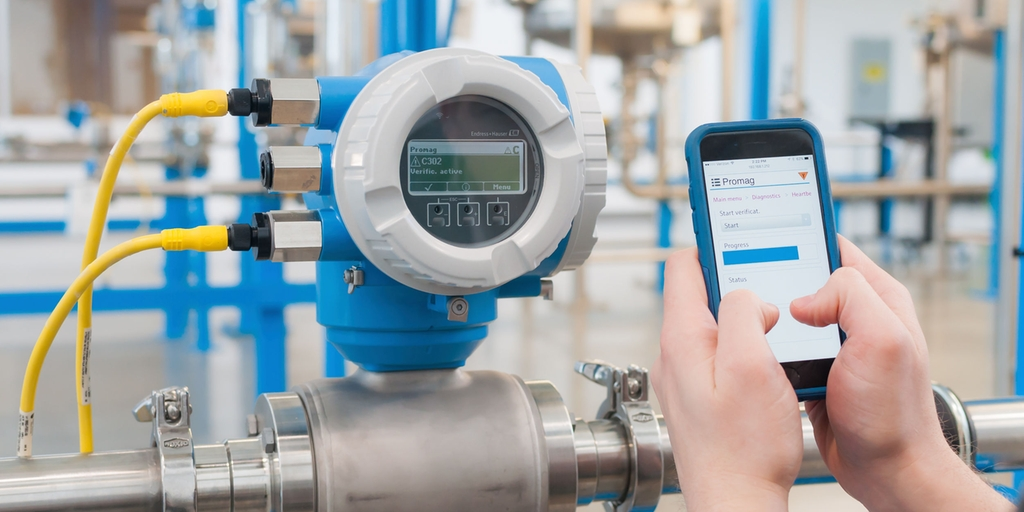
Why Flow Meter Selection Is Not Just a Purchase Decision
Choosing a flow meter is less about buying a device and more about defining how your process will perform over time. In industries where even small measurement errors can affect output quality or regulatory compliance, accuracy is not optional, it’s operationally critical.
A slight deviation in flow reading can lead to overfilling, material loss, or inconsistent batching, especially in sectors like chemicals, food processing, or water treatment.
At this point, the gap between a standard unit and a flow meter from Endress+Hauser becomes noticeable. Beyond measurement, these instruments are designed to maintain stability under changing temperatures, pressure variations, and fluid properties, conditions that are common in real-world operations.
Frequent recalibration, unexpected failures, or data inconsistencies can slow down production and increase maintenance overhead. What appears as a lower upfront expense can gradually turn into a higher operational strain, making the initial decision far more consequential than it seems.
Endress+Hauser Flow Meters: What Sets Them Apart Technically
What differentiates a premium instrument is not a single feature, but how multiple engineering elements come together to deliver stable, repeatable performance. A flow meter engineered by Endress+Hauser is typically built with a focus on measurement integrity, even in demanding process conditions where variables are constantly shifting.
Here’s where the technical edge becomes visible:
- High Measurement Accuracy: Technologies like Coriolis and electromagnetic flow measurement offer precision levels up to ±0.1%, ensuring minimal deviation in critical processes.
- Advanced Self-Diagnostics: Built-in systems continuously monitor sensor health, signal quality, and process conditions, helping detect issues before they impact operations.
- Stability Across Process Variations: Performance remains consistent despite fluctuations in temperature, pressure, or fluid properties, an essential factor in industries with dynamic environments.
- Seamless System Integration: Compatible with modern automation systems (HART, Modbus, Ethernet/IP), enabling real-time monitoring and data-driven control.
- Long-Term Reliability
Robust construction and reduced drift minimise recalibration needs, supporting extended operational life cycles.
Together, these factors contribute to dependable measurement rather than occasional accuracy.
Generic Flow Meters: Where They Work, and Where They Fall Short
Generic flow meters are often chosen for one clear reason, lower upfront cost. In straightforward setups where operating conditions remain stable, they can perform adequately without adding unnecessary expense. For basic water flow monitoring or non-critical utility lines, these instruments usually meet expectations.
Where they work well:
- Simple, steady processes with minimal variation in temperature or pressure
- Non-critical applications where minor measurement deviation does not affect the output
- Budget-driven projects that prioritise initial savings over long-term optimisation
However, limitations begin to surface as process complexity increases.
Where they fall short:
- Lower accuracy consistency: Many standard meters show higher deviation, especially when fluid properties change, or flow becomes unstable.
- Limited diagnostics: Unlike a flow meter produced by Endress+Hauser, most generic options lack built-in health monitoring, making faults harder to detect early.
- Frequent maintenance needs: Mechanical wear or sensor drift can lead to recalibration cycles and operational interruptions.
- Reduced durability in harsh environments: Performance may degrade under high pressure, corrosive media, or fluctuating conditions.
In controlled scenarios, generics can work, but their limitations become more visible as process demands increase.
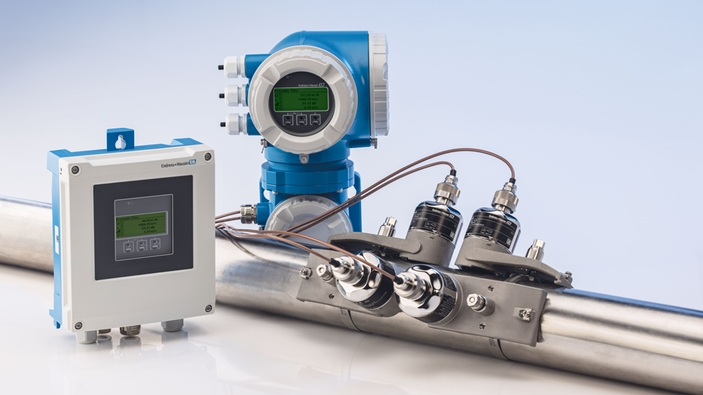
The Comparison: Endress+Hauser vs Generic Alternatives
| Parameter | Endress+Hauser Flow Meters | Generic Alternatives |
| Measurement Accuracy | High precision (up to ±0.1% depending on technology) | Moderate, can vary with conditions |
| Diagnostics & Monitoring | Advanced self-diagnostics with real-time alerts | Minimal or no built-in diagnostics |
| Process Stability | Maintains consistency across pressure, temperature, and fluid changes | Performance may fluctuate under variable conditions |
| Integration Capability | Supports HART, Modbus, Ethernet/IP for automation | Limited communication options |
| Maintenance Needs | Lower due to stable calibration and design | Higher due to drift and wear |
| Lifecycle Value | Optimised for long-term operation | Lower initial cost but higher long-term impact |
Placed side by side, the distinction becomes clearer. A flow meter by Endress+Hauser is designed for consistency and long-term reliability, while generic options tend to meet basic requirements but may struggle as process demands increase. The difference is less about immediate functionality and more about how each performs when conditions are less predictable.
Which One Should You Choose? (Decision Framework)
Selecting the right option depends less on brand preference and more on how demanding your process is. Instead of comparing specifications in isolation, it helps to align the choice with operational priorities, risk tolerance, and lifecycle expectations.
Choose a premium solution when:
- High accuracy is critical for batching, dosing, or compliance-driven processes
- Operating conditions fluctuate (temperature, pressure, or fluid properties vary)
- Downtime is expensive, and reliability directly affects output
- Integration with automation systems is required for monitoring and control
- Long-term cost efficiency matters more than initial savings
Choose a generic flow meter when:
- Applications are simple and stable with minimal variation
- Measurement tolerance is flexible, and minor deviations are acceptable
- Budget constraints are strict, and upfront cost is the primary concern
In practical terms, a flow meter manufactured by Endress+Hauser aligns better with precision-driven environments, while generic options can serve adequately where operational demands are limited and predictable.
Make the Right Flow Measurement Choice with Confidence
Choosing the right flow measurement solution is not about picking the most advanced option, but it’s about selecting what fits your process without compromise. At Smart Elemech, we work closely with you to understand operating conditions, accuracy requirements, and long-term expectations before recommending a solution. Whether your application demands the reliability of a flow meter from the Endress+Hauser range or a more cost-conscious alternative, the goal is always the same, consistent performance you can depend on.
With access to globally trusted brands and practical industry experience, we ensure you don’t just buy equipment, you invest in the right system. If you’re evaluating options or planning a new installation, connect with our team and get guidance tailored to your exact process needs.
Get Expert Flow Meter Recommendations *Contact Us*