
How much do you know about safety switches? When you go to an electrical supplier and ask for a safety switch, the first question you are going to hear is “What kind?” ELCB, RCCB, and RCBO are the different kinds of safety switches they refer to when they ask this question, and it is very important that you know the difference between these three while purchasing, because each of them serves a different purpose.
Regardless of the project you are working on, be it designing an apartment or villa, outfitting a commercial office, or managing an industrial plant, electrical safety is one of the most critical matters that you need to take into account every time. Because mistakes such as faulty wiring, insulation breakdowns, and equipment malfunctions can have consequences as extreme as electric shocks or electric fires. The common purpose of these three safety switches is to prevent these hazards.
These devices are designed to protect people and equipment from such electrical faults, but they operate differently, provide protection at varying levels, and, more importantly, work with different applications and are built for a specific job. If you choose the wrong device among these three, that would mean leaving your electrical panel vulnerable to nuisance tripping and exposing your facility to undetected earth leakage faults. Also, mixing them up wouldn’t work since that doesn’t actually protect what you think it does.
This piece is a guide that gets into the details about these three safety switches: how they work, what their main features are, and how you can select the right device that suits your purpose before making a purchase.
What is an ELCB?
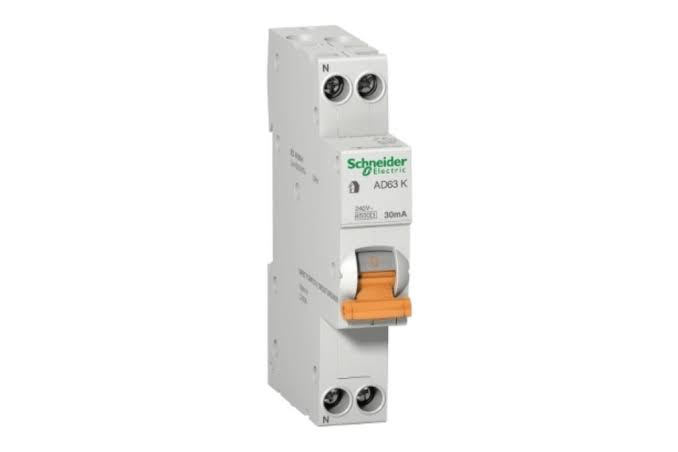
ELCB is the acronym for Earth Leakage Circuit Breaker. ELCB is one of the older protective devices that comes in two different types, which are voltage-operated and current-operated.
The first one, a voltage-operated ELCB, is built to detect voltage differences on the earth conductor. When the voltage rises above the safety level due to an electrical fault, the ELCB trips the circuit. Even so, this particular type of ELCB has a critical weakness: it only works when properly connected to an earth electrode. If the earthing is faulty or missing, this device will not respond. This weakness is the reason why voltage-operated ELCBs have largely been phased out in modern electrical installations. Most electrical codes and standards have moved on from the voltage-operated version and have adopted the better version, which is the current-operated one.
A current-operated ELCB, on the other hand, is also known as an RCCB. The confusion between ELCB and RCCB comes from electricians and engineers who still use ERLCB as a generic term for both current-operated and voltage-operated versions.
What is an RCCB?
The RCCB works by constantly comparing the current going into the circuit with the current coming out of it. Under ideal or normal conditions, these two values are supposed to be equal. However, if there is a leakage, some part of the current that went in will escape through unintended paths. The reason for this might be anything from a person touching a live conductor, a smaged cable, or moisture getting into an appliance. The Residual Circuit Breaker detects this difference in current, also known as residual current, and trips within a matter of milliseconds.
RCCB works to,
- Protect people from electric shock
- Detect very small/negligible leakage currents, usually around 30mA, for personal protection
- Respond very fast. It could be even as fast as within the time limit, which can cause cardiac arrest
- Unlike the voltage-operated version, this one works independently of earthing quality
That said, RCCB does not protect against overloads or short circuits. For example, if you end up drawing too much current through a circuit protected only by an RCCB, it will not trip. It is meant solely for shock protection. So, in such cases, you will need a separate MCB (Miniature Circuit Breaker) for overcurrent protection.
What is an RCBO?
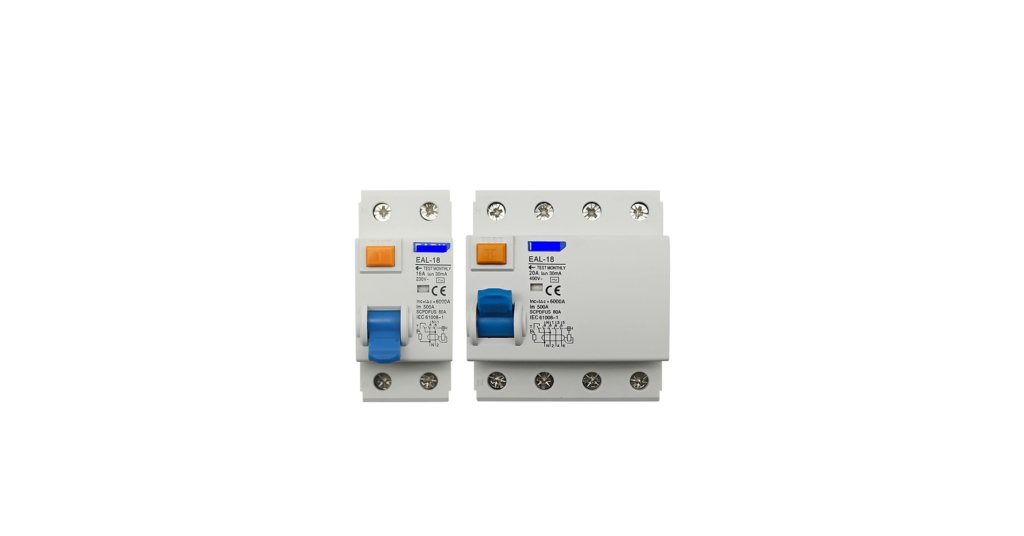
An RCBO is also known as a Residual Current Circuit Breaker with Overcurrent Protection. In other words, it is basically an RCCB and an MCB built into a single unit. So, as you can guess from this, an RCBO does everything an RCCB does and a little more. It detects earth leakage, protects against electric shocks, and protects the circuit from overloads and short circuits.
An RCBO, for these reasons, is a single device built to carry out two different functions, using one slot in your distribution board.
The advantages of RCBO include,
- Complete protection in a single unit
- Saves space in the distribution board with one occupied slot
- Simplifies the wiring process
- Each circuit gets its own dedicated protection. This means a fault in one circuit does not take down the rest of them
The disadvantages of RCBO include,
- High cost: costs more than a separate RCCB or MCB, for one unit
- If an RCBO switch fails, you will lose both functions at once
Where circuit isolation matters, RCBO is the preferred choice nowadays, especially in projects such as commercial buildings.
Comparison: ELCB vs. RCCB vs, RCBO
| Feature | ELCB (Voltage-operated) | RCCB | RCBO |
| Earth leakage protection | Yes | Yes | Yes |
| Shock protection | Partial | Yes | Yes |
| Short circuit protection | No | No | Yes |
| Earthing quality dependence | Yes | No | No |
| Short circuit protection | No | No | Yes |
| Space in DB panel | 1 slot | 2-4 slot | 1-2 slot |
| Modern standard | No | Yes | Yes |
| Common use | Older installations | Residential or Commercial | New installations or individual circuits |
Where to get the best quality safety switch devices in the UAE
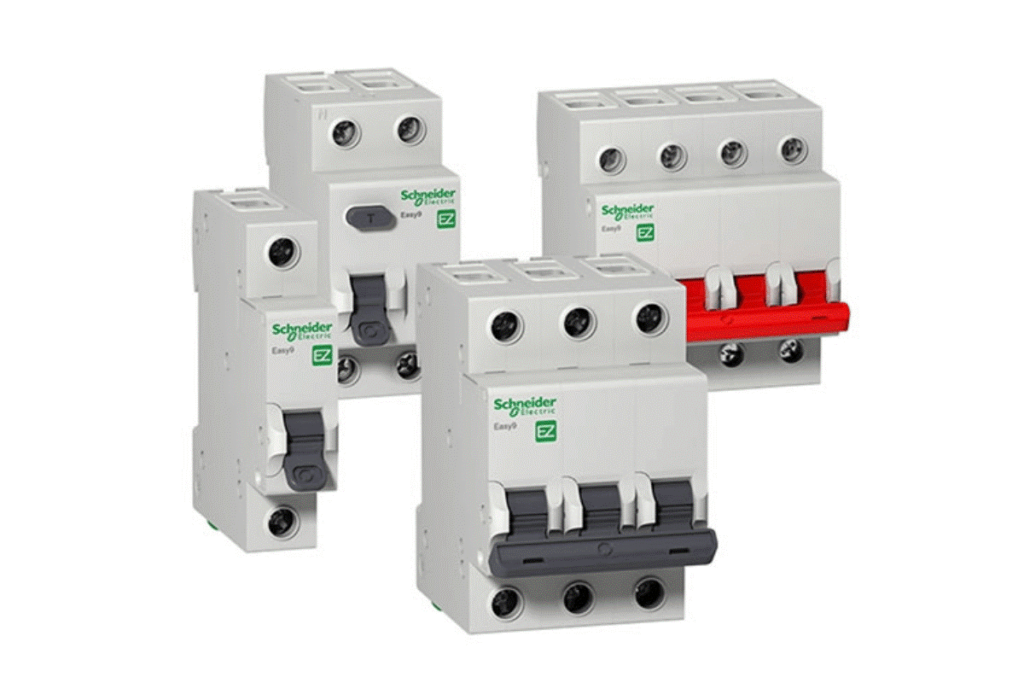
Brand matters a lot more than you think when you purchase something as important as an electric safety device. Schneider Electric is one of the most trusted names in the UAE when it comes to electrical protection, and for good reason. Our product lines are widely used in both residential and commercial settings across the world.
Our devices are tested to IEC standards, backed by a warranty, and supported by a proper supply chain that ensures uninterrupted and timely delivery of these protection devices. This is why sourcing your product from an authorized Schneider ELCB distributor is very important. We also provide pepper product documentation and provide access to technical support in case you need it.